


In 2026, almost all B2B companies still have an old ERP as their central system, but customers expect e-commerce speed and instant responses regarding stock, price, and alternatives. World-class competitors are starting to use AI, and medium-sized companies don't have a clear implementation roadmap. What architecture can they use? What happens to my data and commercial policies?
That is why we have prepared a complete AI architecture manual for B2B sales. The full version was published on January 21, 2026.
What the guide contains
AI Results | Company protection | Cost model | Code examples (⚙ Build vs ☁ Managed)
Hybrid Architecture and Google Cloud
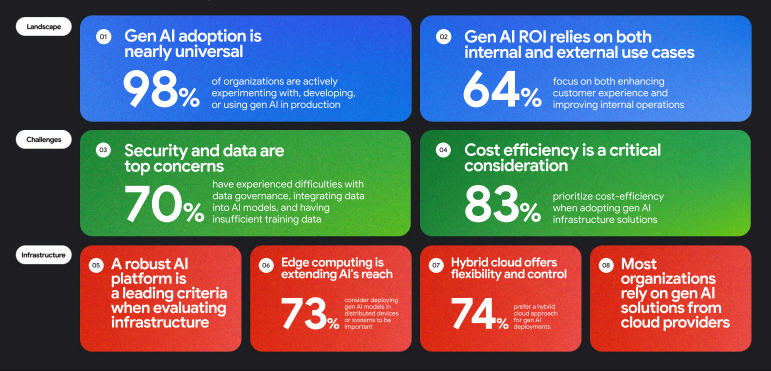
When AI enters B2B sales, obstacles appear quickly: imperfect catalog, historical codes, pricing and discount policies, variable stock, technical compatibilities, and the need for data protection.
From our experience, implementations that scale combine modern AI with classic technology and rules, meaning a hybrid architecture, based on engineering, not hype.
For those drawn to the Google ecosystem who ask "Who can I develop an architecture for AI with?", we do an analysis of the Google Cloud partner ecosystem and some selection criteria.
NOTE: OPTI Software is an independent Google Cloud and HubSpot partner. The guides and this article have not been supported or approved by Google.
The Google Cloud Partner Ecosystem
The market for cloud and AI partners is more diverse than it seems. Any company can look for official partners in the Google Cloud directory Find a Partner, where partners from all over the world appear, filtered by skills and services.
Additionally, you can search review aggregators for cloud consulting & system integration. (see Clutch)
In practice, there are three types of actors, suitable for different contexts:
1. Global Consultants
For example, the Big 4 (well-known system integrators). They are chosen when the project is massive, multi-country, or when the organization needs governance and standardized procurement. Their strong point is delivery capacity and compliance on large programs.
You can find "alliance" type examples in the public space (ex: Deloitte)
2. Large local players and mature engineering companies
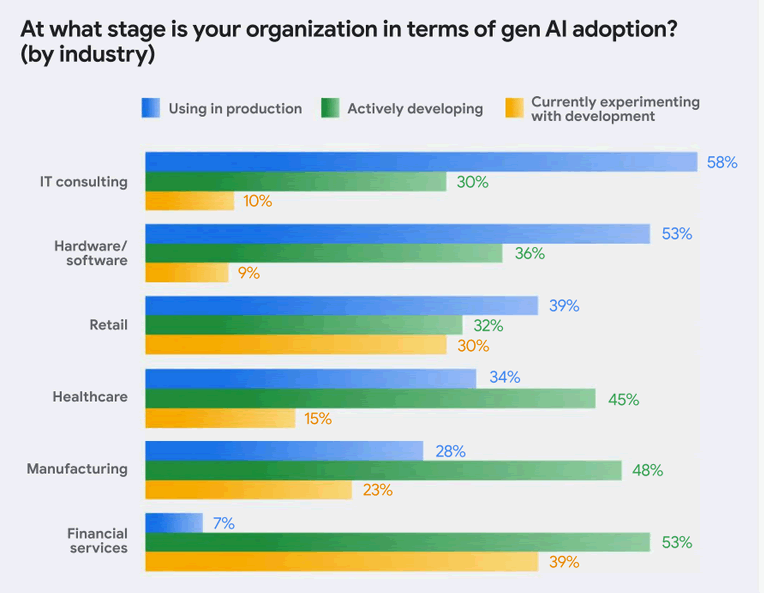
They have consistent teams, perform large-scale migrations and custom development, and are frequently chosen for Romanian enterprise projects or the government sector. They have the capacity to deliver large projects and integrate with existing systems. They can be Premier Partners.
You find projects and case studies in the Google ecosystem, including annual presentations at Google Cloud Day Romania (read a summary of the 2025 edition here).
3. Specialized and agile teams
They compete through architectural clarity and the ability to adapt to company constraints: legacy software, niche market, dispersed data. Such a partner is suitable when you want to build a realistic pilot and scale it incrementally depending on results.
OPTI Software positions itself in this third area: Google Cloud Partner focused on legacy systems around a certified security foundation.
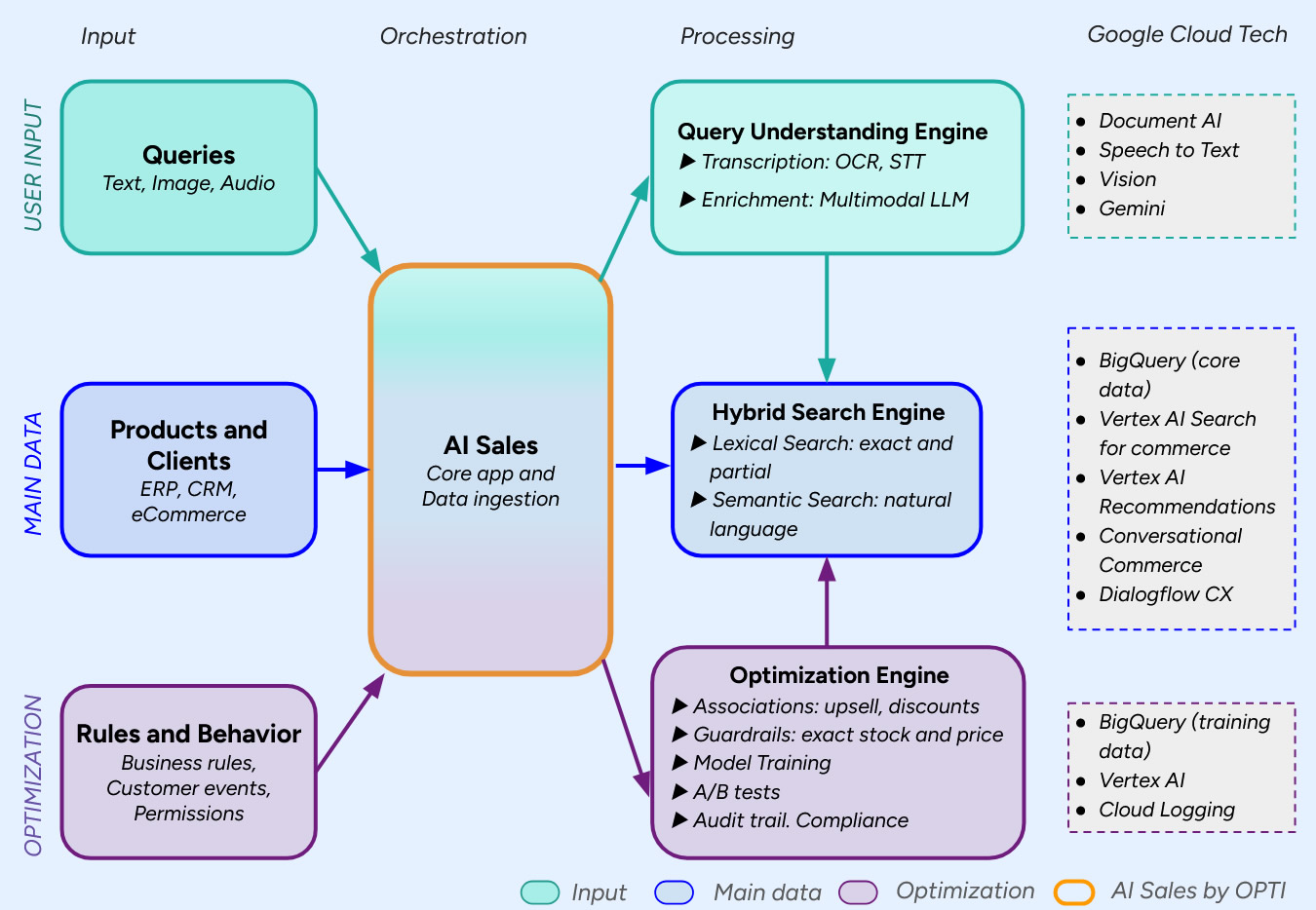
Based on Google technologies, we develop the AI Sales quoting software, built for the scenario "I'm not changing the ERP, but I'm making it sell better".
How do you choose the partner?
Useful questions for an AI implementation partner are not of the hype type, like "what AI model do you recommend?". The client should ask about their own problems: "What will you do when data is imperfect, commercial rules are strict, and negotiated discounts cannot be modified?". Or "If I use AI for document transcription with context enrichment from Internet search, does the model learn from my data?" (for an answer contact us)
Here are three things that aren't seen in a demo:
Data and integration
- Storage of data retrieved from ERP, CRM, or e-commerce (ex: warehouse as BigQuery).
- Explicit data contract: what data and what latency are necessary for AI.
- Normalization of codes and descriptions as a mandatory part of the project.
The right type of artificial intelligence
- Do not sell "LLM for any situation" (en. LLM-wrappers).
- Use: Predictive AI (Deep Learning) for recommendations, hybrid search (lexical + semantic) for information retrieval, RAG (retrieval + LLM) for intelligent search in thousands of PDF documents.
Control and security
- Commercial rules protecting the company: margin, stock, price.
- Testing and training. If you cannot explain internally "why AI recommended product X", AI adoption dies even if the model is good.
- Data security (in-transit / at-rest). For this area, Guide #6 will cover NIS2, ISO 27001, and audit in AI projects. (Sign up to receive it)
From the guide: Recommendations plus Guardrails and Technical Cookbook
The guide launched on January 21, 2026 treats increasing company revenue with AI, with control over image, margin, and commercial logic. It puts together two worlds that usually contradict each other: artificial intelligence and rules.
Specialists will appreciate a text-art diagram (See the complete guide for the image version)
ZONE OF PRIVATE DATA	               MIDDLEWARE ZONE		            AI ZONE
┌─────────────────────────────────┐      ┌───────────────────────────────┐      ┌───────────────────────────┐
│ 1. DATA SOURCES                 │      │ 2. DATA HUB & SYNC            │      │ 3. Vertex AI (Search +    │
│                                 │      │                               │      │  Search for Commerce,     │
│                                 │      │                               │      │  Model Garden)            │
│ ┌────────────┐   ┌────────────┐ │      │  ┌─────────────────────────┐  │      │ ┌───────────────────────┐ │
│ │ ERP        │   │ FILE SERVER│ │      │  │ Fast data layer         │  │      │ │ Vectors               │ │
│ │ (Master)   │   │ (PDF/Docs) │ │      │  │ (Cache)                 │  │      │ │ Index		    │ │
│ └──────┬─────┘   └─────┬──────┘ │      │  └────────────┬────────────┘  │      │ └───────────▲───────────┘ │
│        │               │        │      │               │               │      │             │             │
│        ▼               ▼        │      │               ▼               │      │             │             │
│ [Secure unidirectional sync]    ├─────►│  [Filtering and sanitization] ├─────►│ [Ingestieon (public only) │
└─────────────────────────────────┘      │               │               │      │                           │
                                         │               │               │      │ ┌───────────────────────┐ │
                                         │  ┌────────────▼────────────┐  │      │ │ Gemini / LLM          │ │
                                         │  │ API Gateway             │◄─┼──────┤ │ (RAG & Processing)    │ │
                                         │  │ (Combines AI + ERP)     │  │      │ └───────────────────────┘ │
                                         │  └────────────▲────────────┘  │      └───────────────────────────┘
                                         └───────────────┼───────────────┘
                                                         │
                                                         ▼
                                            ┌─────────────────────────┐
                                            │ 4. Applications         │
                                            │ (Quoting / Chatbots)    │
                                            └─────────────────────────┘
Legend: Text-art diagram of privacy-first architecture with AI functions isolated by a centralized middleware
The part we insisted on including, compared to other materials on the market, is the technical cookbook. What the implementation steps and code look like in two approaches:
- ⚙ Build: custom, with machine-learning and data-science
- ☁ Managed: Cloud Native, exemplified by us as a Google Cloud Partner with Vertex AI Search for commerce and Vertex AI Search)
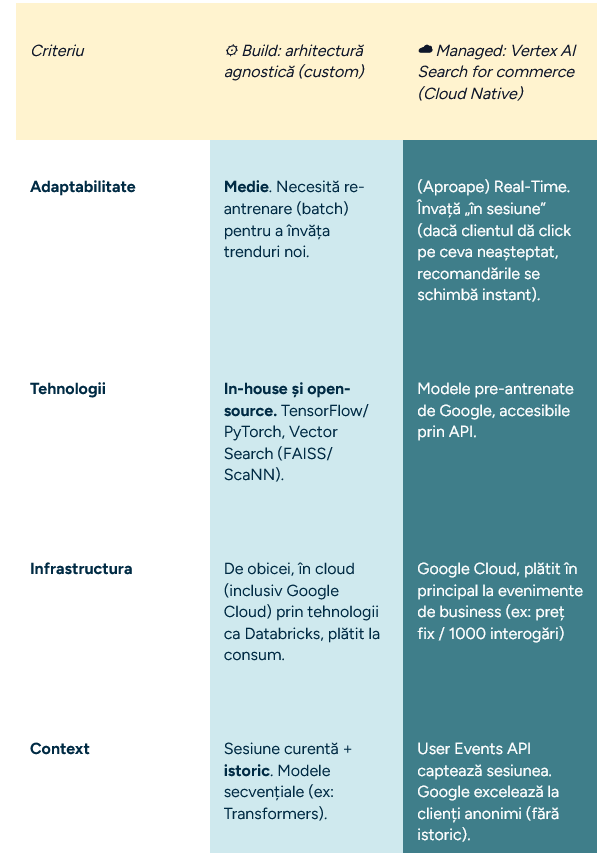
The goal is to clarify for decision-makers the real cost of ownership and the duration until measurable results.
The actual technologies can be replaced with those from other cloud solutions other than Google (Amazon Web Services, Microsoft Azure) or with SaaS services (ex: Algolia for search)
How is the sale closed?
In addition to infrastructure and AI, OPTI Software offers specialization in the CRM area and conversion optimization, as a HubSpot Solution Partner.
Conversion first:
- The upsell and rules are useful only when integrated coherently into the real sales flow: lead ▶ opportunity ▶ quote ▶ order ▶ retention.
- Often the CRM is the place where it is seen if the AI implementation helps the company (through lower times, better offers, automated follow-up)
- Scenario: AI generates the recommendation, but the CRM is the one closing the sale through follow-up automation.

![[UPDATE] The Romanian startup awards will be presented on March 12. Mr. Benny won 3rd place at the Romania Startup Awards 2026.](/images/new-post/small_long-romania-startup-awards-2026-mrbenny.jpg "[UPDATE] The Romanian startup awards will be presented on March 12. Mr. Benny won 3rd place at the Romania Startup Awards 2026.")