

Brief of March 2026
Google Cloud launches, New York event and B2B projects
In newsletter: Two case studies, MrBenny award and OPTI community.
See March Brief














A custom integration is designed specifically for your business.
Automating data flows eliminates manual data entry, giving your team more time for strategic work.
As your business grows, custom integrations can be expanded to handle increased data or more complex processes.
Centralizing your data in HubSpot gives you a comprehensive view, helping you make more informed business decisions.
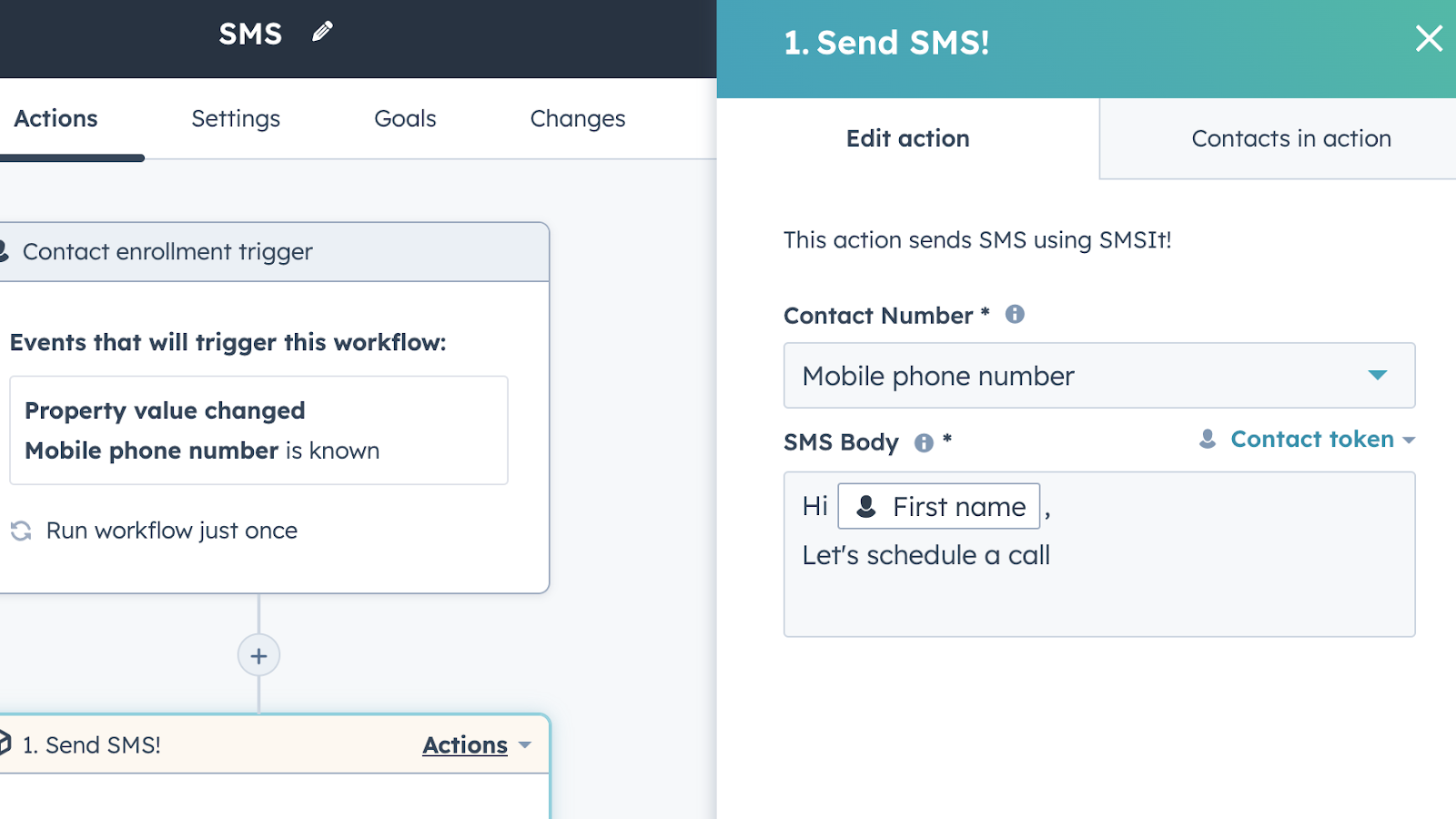





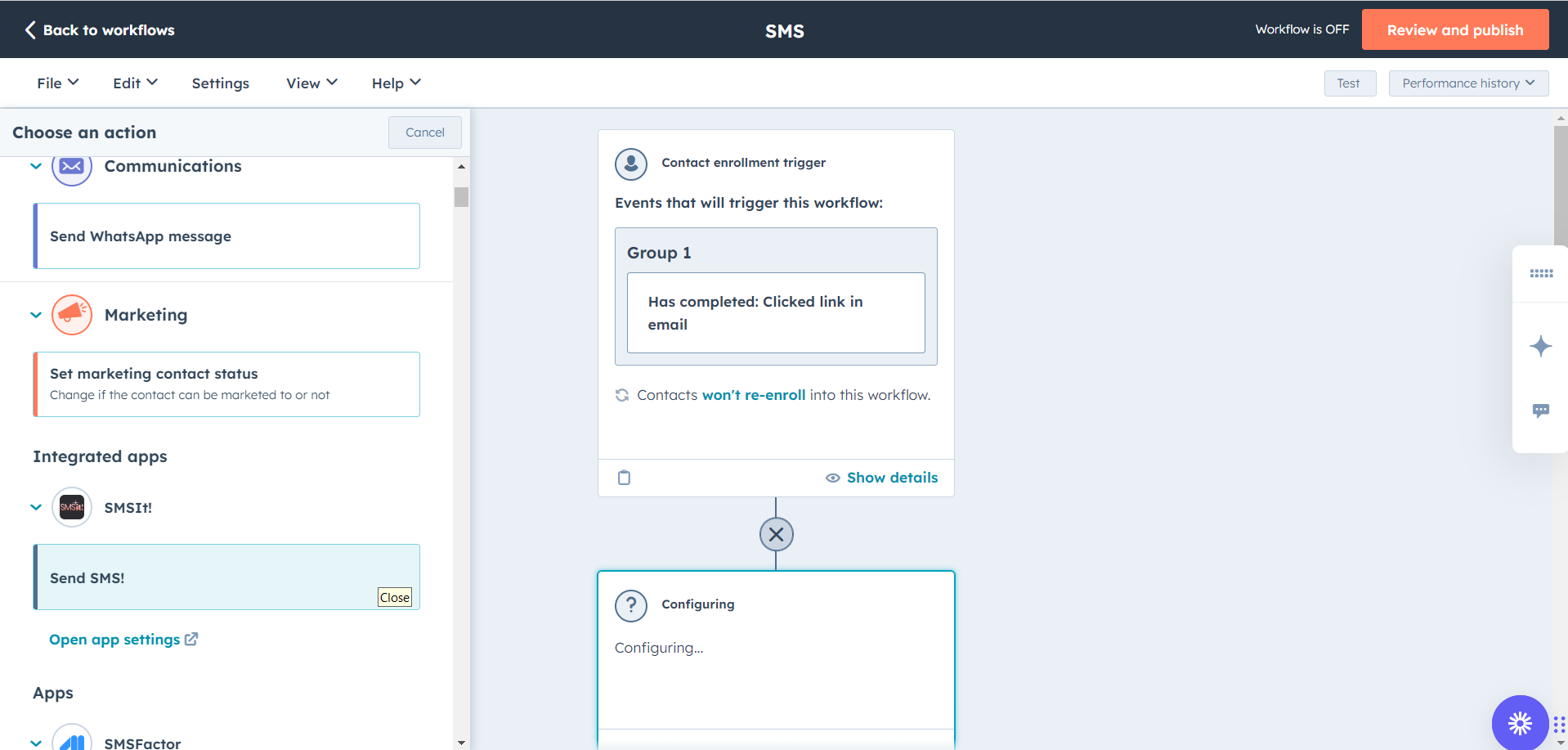
If your business relies on tools that aren’t available in HubSpot's marketplace, a custom integration can fill the gap.
As your business grows, a custom integration can expand alongside your operations without needing to switch platforms.
If your tools aren’t compatible with HubSpot’s pre-built integrations, a custom integration can make all your systems communicate with each other.
A custom integration allows detailed reporting, pulling the exact data you need into HubSpot for real-time, data-driven decisions.
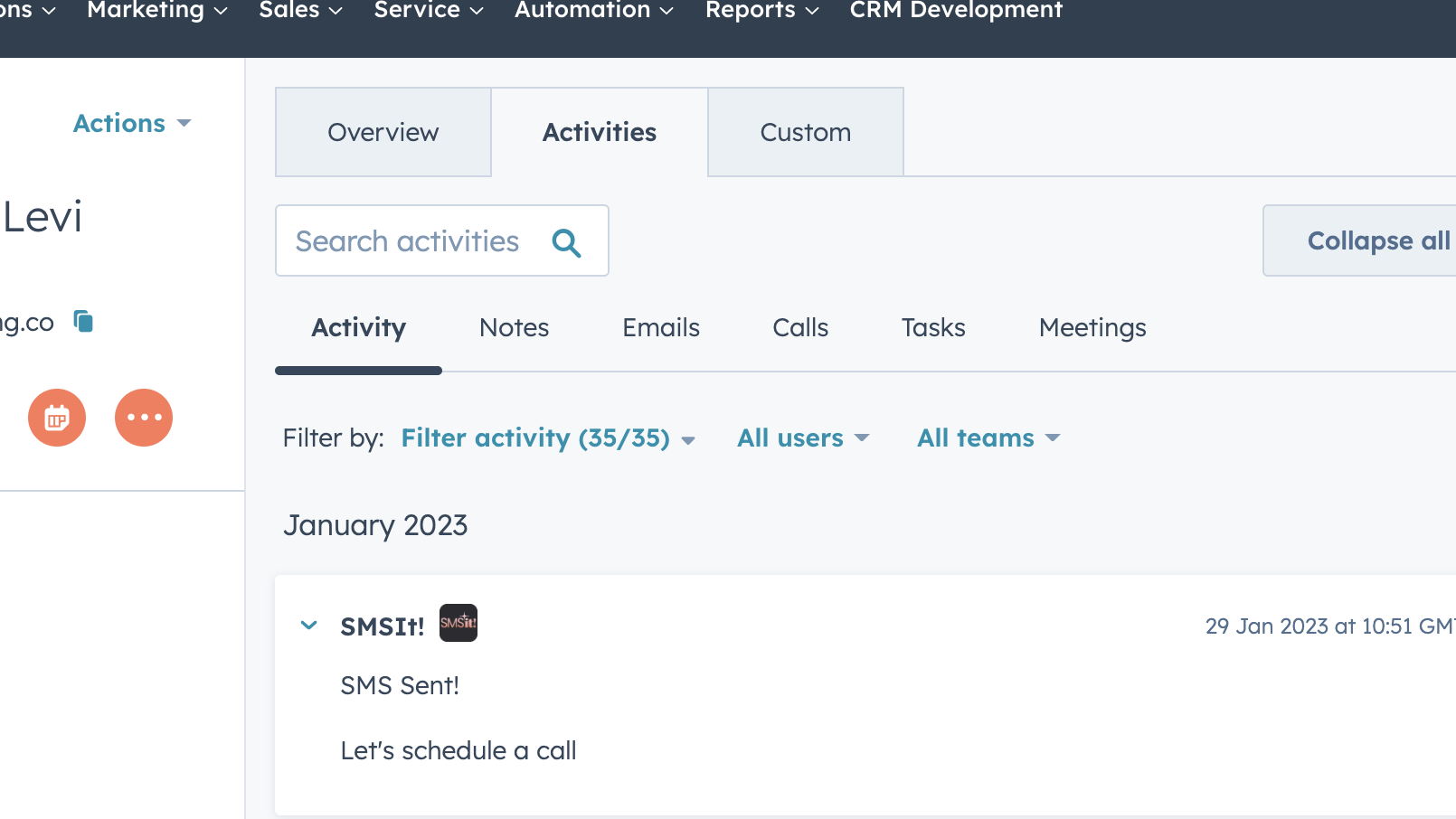
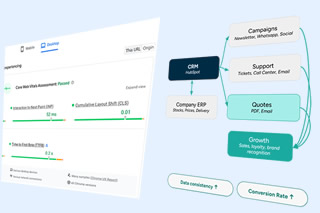
Here are examples of how custom HubSpot integrations can benefit various business functions:







A custom HubSpot integration connects HubSpot with software that doesn’t have pre-built integrations. It syncs data and automates workflows between HubSpot and your other tools, creating a streamlined process tailored to your business.
If your business relies on specialized tools or needs flexible workflows, a custom integration provides the tailored solution necessary for smooth operations that native integrations may not offer.
The cost varies based on the complexity and scope of the integration. We’ll help you assess the cost based on your specific requirements.
No, properly set up custom integrations are designed to run in the background, ensuring that HubSpot and your systems remain optimized without affecting performance.
Yes! One of the key benefits of custom integrations is scalability. As your business evolves, the integration can be expanded to accommodate new tools, data flows, and processes.
The timeline depends on the complexity of the integration. Simple integrations can be set up in a few days, while more advanced integrations may take longer. We’ll work with you to establish a clear timeline based on your needs.
We start with an audit session to understand your current sales and marketing processes. Together, we define the CRM integration objectives and establish a clear strategy to ensure alignment with your business needs.
We design the integration architecture, defining how the systems will communicate (e.g., HubSpot with your ERP). We perform a detailed data mapping to ensure that critical information (contacts, orders, invoices) syncs correctly.
Our team develops the custom API connectors and configures the automated workflows. We implement the business logic to streamline processes, from lead scoring to report generation.
We rigorously test the integration in a staging environment to validate data integrity and automation functionality. After your team's validation (UAT), we plan and execute the go-live with minimal impact on operations.
We provide training sessions for your team to ensure rapid adoption of the new processes. We offer post-launch maintenance and support to continuously optimize the integration and respond to new business needs.