







Brief of March 2026
Google Cloud launches, New York event and B2B projects
In newsletter: Two case studies, MrBenny award and OPTI community.
See March Brief





Relational Databases:
Relational databases organize data into tables with rows and columns, making them ideal for applications where data integrity (ACID compliance) is crucial.
Examples include: MySQL, Microsoft SQL Server, PostgreSQL, Oracle
Non-relational databases:
Non-relational databases are better suited for complex, modern web applications. They allow for flexible data schemas, accommodating unstructured or semi-structured data:
● Key-Value Stores: Redis, Amazon DynamoDB
● Wide-Column: Cassandra, Apache HBase
● Document Stores: MongoDB, Couchbase
● Graph Databases: Neo4j
RDBMS management
Ensuring data integrity
High-speed NoSQL data stores
Data modeling and normalization
Data backup & syncronization
Query planning & optimizations
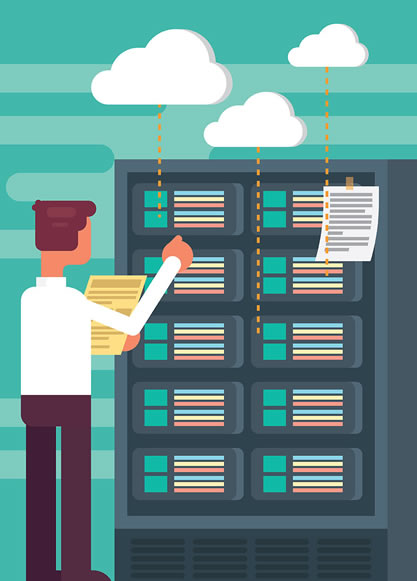
Data analysis is essential for identifying correlations, patterns, and trends, enabling informed decision-making.
Key tools: Sphinx, Elasticsearch, Looker Studio, Apache Spark
Core capabilities: data aggregation, visualization, trend analysis, and forecasting.
We manage large volumes of data (over 10 TB), both structured and unstructured, to uncover insights, improve decision-making, and create a competitive advantage.
● Big Data Storage: secure cloud storage accessible via platforms such as Hadoop and MongoDB.
● Data Mining: advanced data extraction using statistical methods (e.g., clustering, anomaly detection) with tools like KNIME, RapidMiner.
● Data Analysis: decision-oriented data processing with Apache Spark, Presto, and Tableau.
● Data Visualization: presenting insights through charts and tables using Plotly, DataHero, Looker Studio.
Horizontal scaling
MapReduce algorithms
Data redundancy
NoSQL query rewriting
Data ingestion and SQL-NoSQL transfer APIs

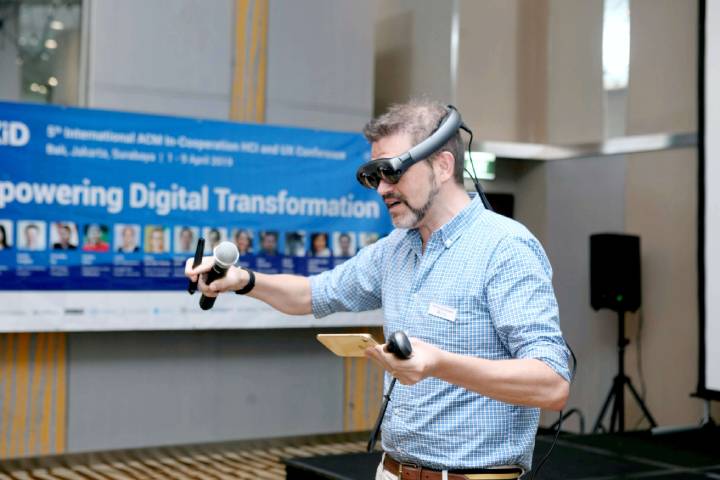




OPTI integrates available APIs or builds custom APIs to ingest and serve data, media, and semantic content across systems in a flexible and scalable manner.
Google Cloud (Partner-level), Amazon Web Services, Azure


Zapier, Salesforce, HubSpot, Azure, Google API



Google Analytics, Piwik, Semrush



MySQL, MariaDB, PostgreSQL, SQL Server, Oracle




Google BigQuery, MongoDB, Redis, Cassandra, Firebase, Hadoop








We start by identifying all relevant data sources in your company (CRM, ERP, SQL/NoSQL databases, files). Together, we define the Key Performance Indicators (KPIs) and the business questions we need to answer.
We design the centralized data storage solution, typically a data warehouse in Google BigQuery. We define the data schema and plan the ingestion pipelines (ETL/ELT).
We develop the automated processes for extracting, transforming, and loading (ETL/ELT) the data. We use tools like Dataflow, Airbyte, or custom scripts to bring all data into a unified format in the data warehouse.
We structure the data in BigQuery into models optimized for analysis. We connect visualization tools like Looker Studio to build interactive dashboards, reports, and charts that address the defined KPIs.
We set up automatic data refreshes to ensure real-time reporting. We train your team to use the new dashboards and provide maintenance to ensure the performance and accuracy of the BI system.
SQL databases (e.g., MySQL, PostgreSQL) are ideal for structured data where data integrity is critical (financial transactions). NoSQL databases (e.g., MongoDB, Cassandra) are flexible, scalable, and suited for large volumes of unstructured data, such as those from modern web apps or Big Data.
A data warehouse, like Google BigQuery, is a central repository that consolidates data from multiple sources (CRM, ERP, Analytics) to facilitate analysis and reporting. It helps you get a complete view of your business and make data-driven decisions.
We primarily use Looker Studio (formerly Google Data Studio) to create interactive dashboards and visual reports. We also have experience with Tableau and other BI platforms, depending on the client's ecosystem.
Yes, as HubSpot partners, we have extensive experience in extracting and integrating data from various CRM systems, including Salesforce, into data warehouses like BigQuery for advanced analytics.
SQL Databases : MySQL, Microsoft SQL Server, PostgreSQL, Oracle, Google BigQuery. NoSQL Databases: Redis, Amazon DynamoDB, Cassandra, MongoDB, Neo4j. Big Data & Analytics: Hadoop, Apache Spark, Presto, Tableau, KNIME, Looker Studio. Search: Vertex AI for ecommerce, Sphinx, Elasticsearch.