
Brief of March 2026
Google Cloud launches, New York event and B2B projects
In newsletter: Two case studies, MrBenny award and OPTI community.
See March Brief

In 2023, the Bucharest Bar Association, representing over ten thousand lawyers in Bucharest, faced increasing cybersecurity concerns.
With the growing complexity of digital threats, it became imperative to equip their employees with the necessary skills and knowledge to protect sensitive legal and non-legal information.
OPTI delivered a comprehensive cybersecurity training program tailored to the specific needs of the association’s staff.

The Bucharest Bar Association was confronted with several critical cybersecurity challenges.
Legal duty - As a professional organization responsible for handling vast amounts of sensitive data, the Bar Association needed to mitigate risks associated with cyber threats.
Training needs - Employees required relevant and up-to-date training to effectively manage and respond to potential cybersecurity threats.
Rising complexity of threats - The evolving nature of cyber threats necessitated a training program that covered a broad range of topics, from basic cybersecurity principles to advanced protection measures.

OPTI developed and implemented a four-week cybersecurity training program for over forty employees of the Bar Association..
Each module was designed to address specific aspects of cybersecurity, ensuring that participants gained a thorough understanding of the risks and the necessary protective measures.
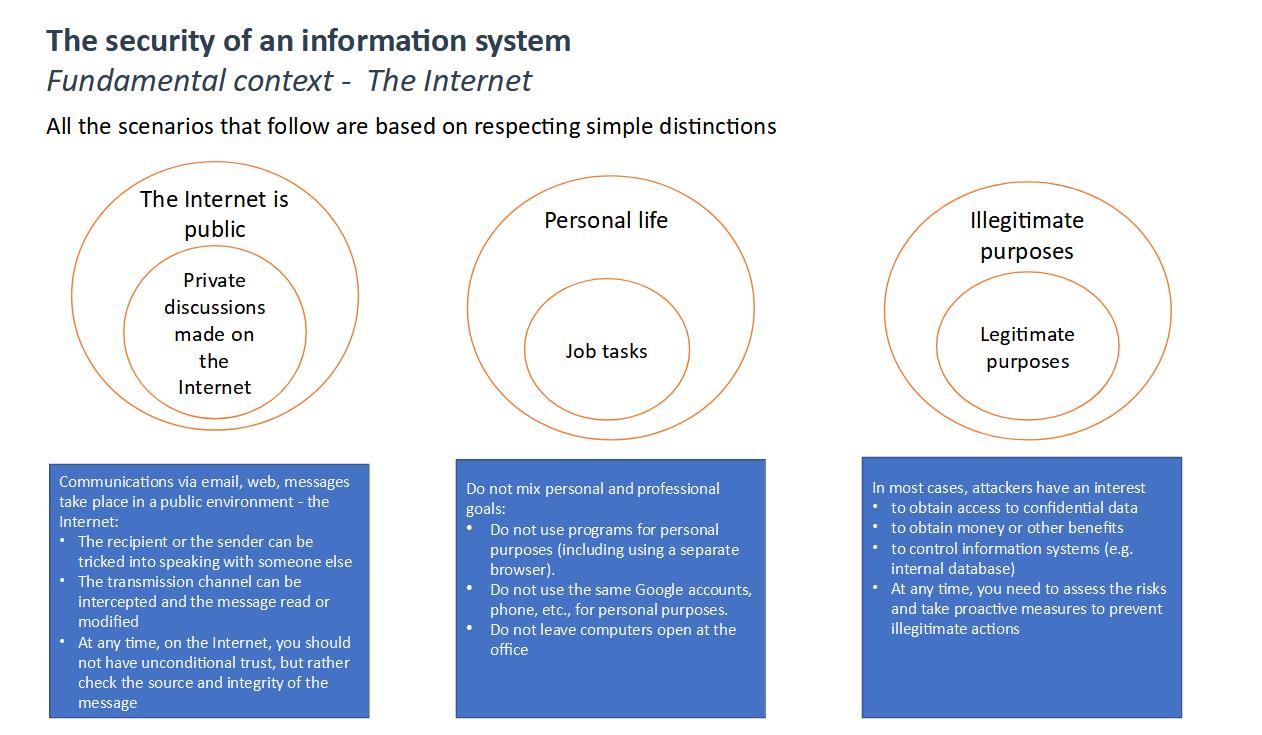
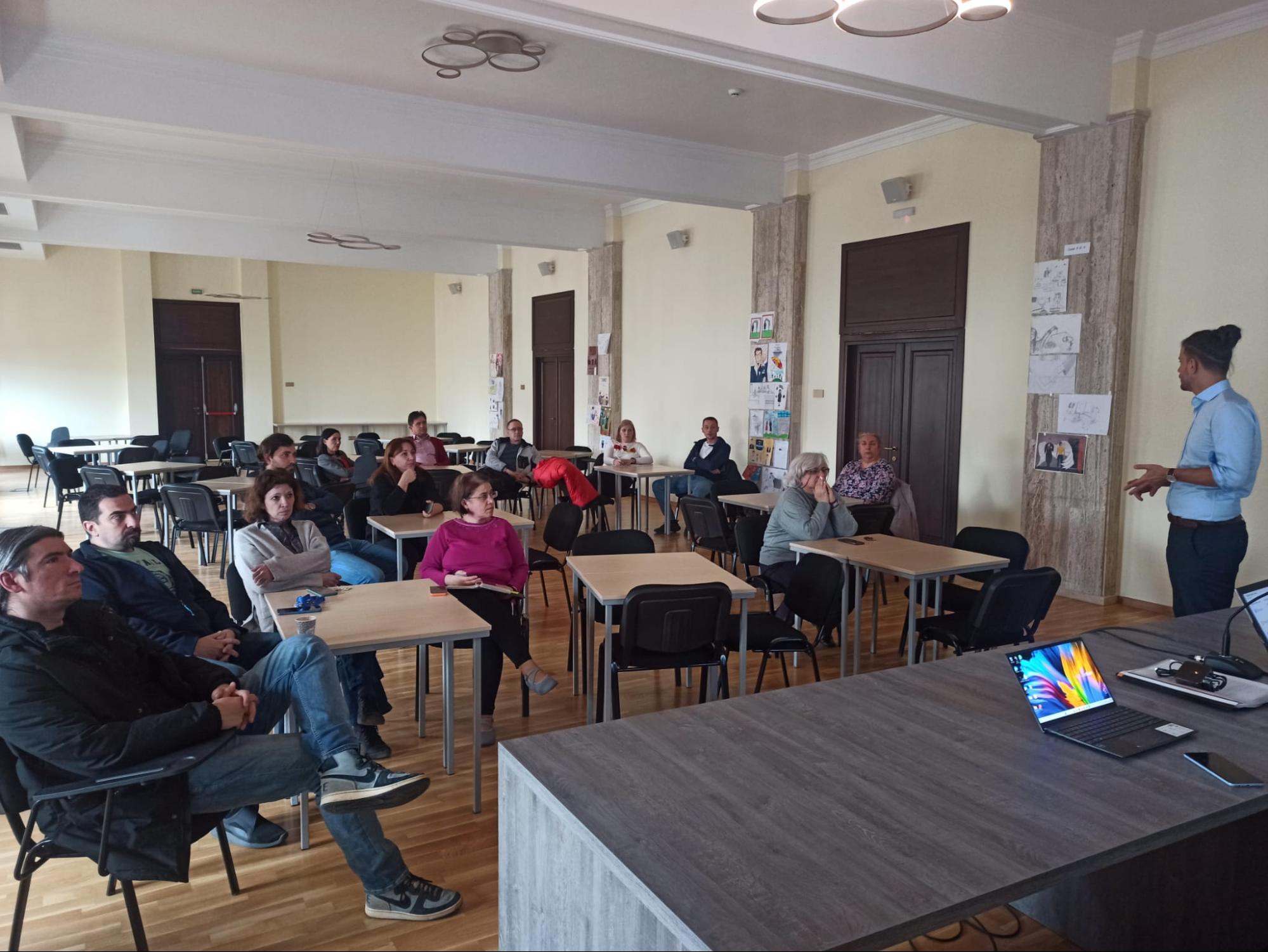
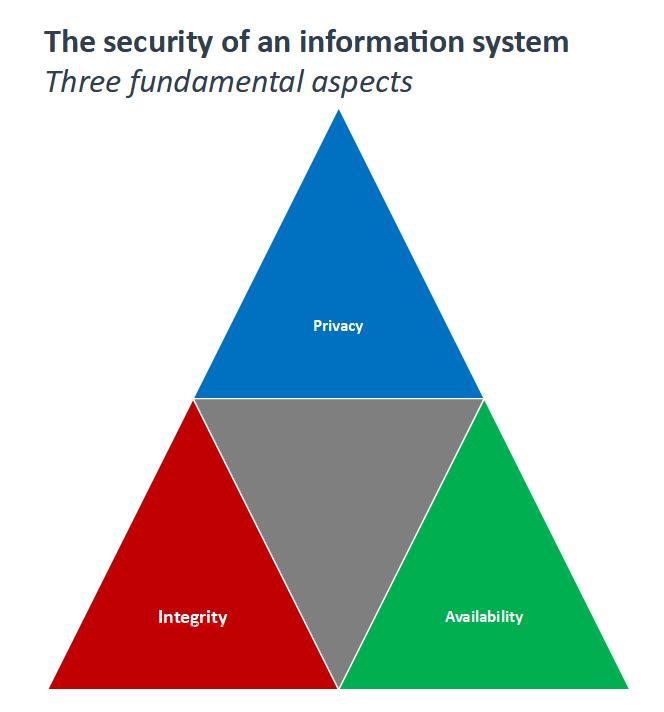
The training program covered essential pillars of information security, including preventing phishing attacks and adhering to GDPR compliance. The goal was not just to instruct but to create a culture of security within the organization, where every employee becomes an active part of the cyber defense
Security awareness, CIA Triad (Confidentiality-Integrity-Availability), Phishing & Malware Prevention, GDPR Compliance.

Article written by
Manager, Software Architect, PhD. in Logic, Fulbright Visiting Scholar (CUNY GC, 2023)
See on LinkedIn →