Brief of March 2026
Google Cloud launches, New York event and B2B projects
In newsletter: Two case studies, MrBenny award and OPTI community.
See March Brief

The Bucharest Bar Association faced significant difficulties with their manual system of distributing tasks to public defenders. The manual system was slow, unreliable, and prone to bias.
To address these issues, in 2022-2023, the Bucharest Bar Association contracted OPTI to develop an automated system capable of distributing tens of thousands of legal representation tasks to more than a thousand lawyers continuosly. The goal was to create a system that was fair, fast, and reliable, offering equal opportunities to all participating defenders.
OPTI developed the software, including the backend, SMS sending, and mobile apps for both iOS and Android. The result is a continuous (day and night) task distribution system that ensures fairness and efficiency.
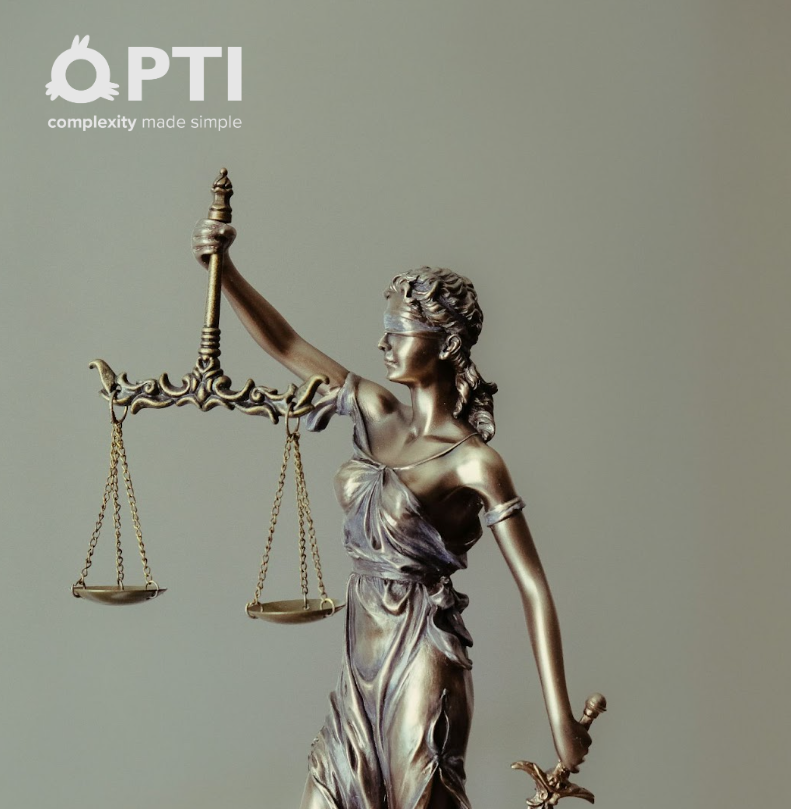
Manual distribution system - The existing manual system was inefficient and poorly managed, requiring significant improvements.
Legacy issues - Historical problems with task distribution needed to be investigated and clarified before automation could be implemented, such as human bias.
Fairness and acceptance - The new system had to be designed to ensure fairness and gain the widespread acceptance of over 1,000 lawyers.
Speed and reliability - Some tasks required acceptance within ten minutes, necessitating a fast and reliable tech system to handle these demands, such as mobile app (iOS and Android).

OPTI developed an automated task distribution system for the public defenders of Bucharest in eight carefully planned steps.
The mobile component was essential. We developed native mobile applications for both iOS (Swift) and Android (Kotlin) that communicated in real-time with the backend. Integrating a bulk SMS provider ensured a redundant and reliable notification method, which was critical for time-sensitive legal assignments
Technologies: Mobile apps: iOS, Android, API, SMS, SQL
Methodologies: Data modeling and simulation, Custom backend development, Pilot project, Phased launch

Article written by
Customer Success Manager. Cloud and Onboarding Specialist.
See on LinkedIn →