AI that moves boxes - projects for Blue Collar AI
In newsletter: Why AI increases sales in B2B, NIS2 checklist, and projects for production and distribution.
See February BriefSEO optimization in 2026 (Web 3.0) means more than just keywords and link building. It requires semantic clarity through graphs: for Google, but also for AI search agents (AI Overviews, ChatGPT, Claude, etc.). This phenomenon is known as GEO (Generative Engine Optimization) or AI Search, and the challenge lies in server-side generation, not WordPress plugins.
OPTI implemented schema.org / JSON-LD for three projects: a B2B portal (opti.ro) and two e-commerce websites, treating the schema as a reusable semantic graph, generated server-side, validated, and continuously monitored.
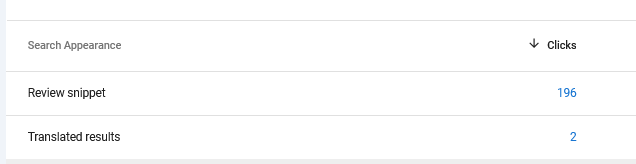
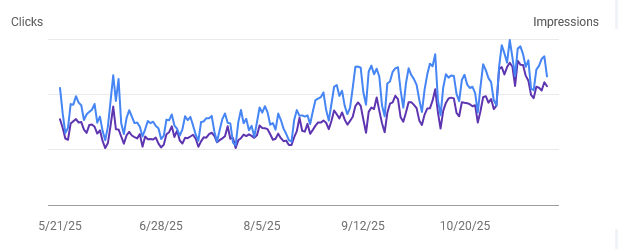
Within two months, results included an increase in non-brand queries, faster and more stable indexing, the appearance of breadcrumbs in SERPs, and the first AI Overviews on e-commerce.

Without a schema.org implementation, the three websites had slow indexing (mostly for long-tail queries), had few AI summaries, and heavy content creation had lower-than-expected ROI.
1. Classic SEO vs. GEO: same content, different asks
2. Identifier (ID) consistency and deduplication
https://www.opti.ro#organization, https://www.opti.ro#website
and links the rest of the pages back to it.
3. Multilingual capabilities and AI context
4. E-commerce data is abundant but fragile
We treated the schema as a reusable semantic graph, implementing it across three layers for both B2B and the two e-commerce websites:
The schema.org / JSON-LD implementation followed four repeatable standard steps across all three projects:
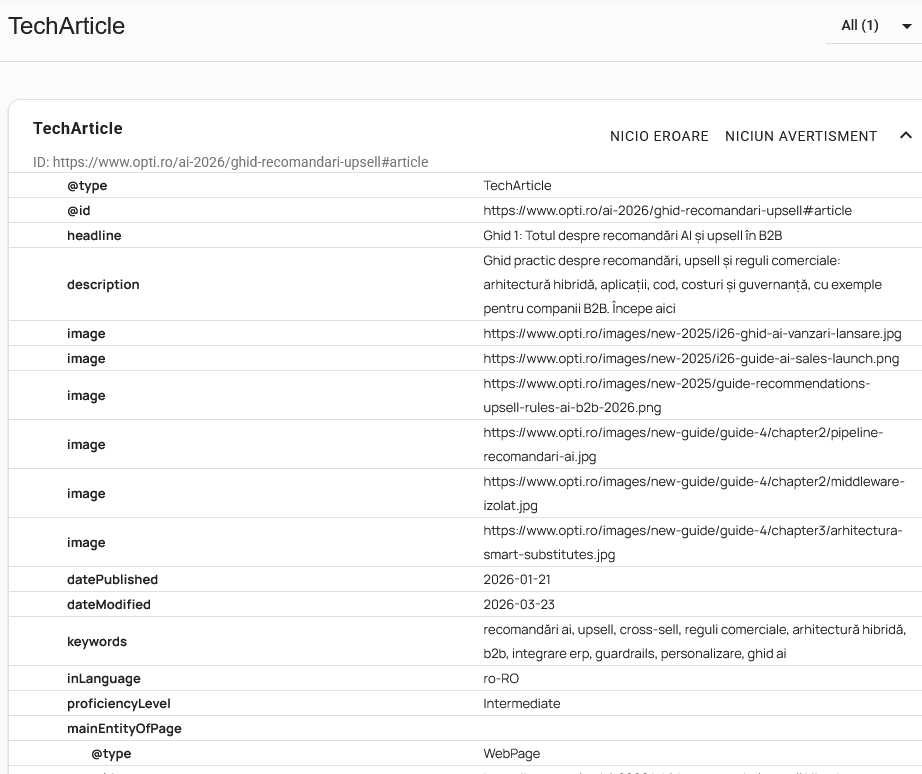
Partial TechArticle schema example: OPTI.RO. See website
GEO (Generative Engine Optimization) means optimizing your site to be understood and cited by AI systems (AI Overviews, ChatGPT, Claude etc.), not just classic search engines. Schema.org / JSON-LD is the core technical element of this optimization.
Server-side generation ensures the schema is stable, easy to test, and always synchronized with real data (CMS, catalog). WordPress plugins or client-side solutions can introduce inconsistencies or delays.
In all three projects, the first effects (faster indexing, breadcrumb appearance, growth in non-brand impressions) were visible within 4–8 weeks of implementation.
No. Structured data does not guarantee rich results or AI Overviews, but it enables AI search engines to correctly understand the site and significantly increases the probability of being cited.
Treating schema as a semantic graph (not isolated markup) is the difference between a functional implementation and one with real impact. When entities are connected, consistently identified, and server-side generated, AI can verify and cite the information, just as a careful human reader would.
Technologies: Schema.org, JSON-LD, Google Search Console, Rich Results Test, schema validators, CMS platforms, e-commerce, Server-side scripting, automated QA
Methodologies: Technical SEO audit, schema design (graph-first), JSON-LD implementation, syntactic and semantic validation, regression testing, Search Console / indexing monitoring, internal guides and team training